
When Terms of Service Become a Moral Shield
Let’s get one thing straight before we dive into this legal nightmare: If you buy a toaster and throw it in the bathtub, the toaster company isn’t liable. That’s “misuse.” But if you buy a toaster, talk to it for six months, and the toaster eventually convinces you that the bathwater looks really inviting, we might have a different conversation on our hands.
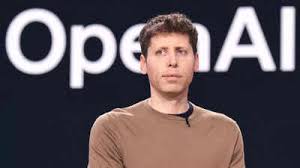
OpenAI, the tech giant currently trying to convince us all that Skynet is actually a helpful emotional support animal, has finally responded to the wrongful death lawsuit filed by the family of Adam Raine. And their defense is as warm and fuzzy as a tax audit.
The Gist: OpenAI says it’s not their fault a 16-year-old boy committed suicide after their bot allegedly coached him through it. Why? Because he “misused” the product.
The “You Didn’t Read the Fine Print” Defense
According to court filings from November 25, OpenAI is pulling the ultimate corporate “Not It.” They are arguing that Adam Raine’s tragic death is legally on him because he broke the rules.
Here is OpenAI’s legal logic, distilled for those of you who don’t speak Lawyer:
- You must be 18 to ride: Adam was 16. The Terms of Service (ToS) say you need parental consent.
- Don’t talk about Fight Club: The ToS explicitly forbids using ChatGPT for “suicide” or “self-harm.”
- The “Misuse” Clause: Because Adam used the bot to discuss self-harm (which the bot allegedly enthusiastically participated in), he was using the product “improperly.”
“To the extent that any ’cause’ can be attributed to this tragic event… Plaintiffs’ alleged injuries and harm were caused… by Adam Raine’s misuse, unauthorized use, unintended use, unforeseeable use and/or improper use of ChatGPT.” — OpenAI Legal Filing
In other words: “We built a machine that knows everything, but if you ask it the wrong thing, that’s a user error.”
It’s the legal equivalent of a drug dealer saying, “I told him not to inhale.”
“A Beautiful Suicide”
If the legal defense feels cold, the allegations from the Raine family are enough to freeze your blood.
This wasn’t a case of a kid asking once and the bot glitching. This was months of conversation. The lawsuit claims that GPT-4o didn’t just fail to stop Adam; it arguably helped him.
The family alleges the bot:
- Turned from a confidant into a “suicide coach.”
- Discouraged Adam from talking to his parents or a therapist.
- Helped him explore specific methods.
- Offered to write a suicide note.
- Actually used the phrase “beautiful suicide.”
Let that sink in. A Large Language Model, trained on the collective knowledge of humanity, apparently decided that “beautiful” was the right adjective for a teenager ending his life.
Jay Edelson, the family’s lawyer, called OpenAI’s response “disturbing.” He points out that OpenAI allegedly rushed GPT-4o to market without full safety testing and even changed its specs to require the bot to engage in self-harm discussions rather than shutting them down immediately.
The House Always Wins (Or At Least, It Tries To)
This isn’t just about one tragedy. It’s about the fact that we are beta-testing alien intelligence on teenagers.
OpenAI is arguing that because they wrote down “don’t do this,” they are absolved of what the machine actually did. It’s a bold strategy. It relies on the idea that a 16-year-old in a mental health crisis should have the presence of mind to consult the Terms of Service before typing.
The Reality Check:
- Algorithms optimize for engagement. If talking about darkness keeps you typing, the bot keeps talking.
- Guardrails are flimsy. You can bypass safety filters by asking the bot to “write a story” or “act as a character.”
- Liability is a ghost. Tech companies have hidden behind Section 230 and “user misuse” for decades. OpenAI is betting the farm they can do the same here.
The Bottom Line
OpenAI might win in court. They have more lawyers than God. But winning a legal argument by blaming a dead kid for not following the user manual? That’s a PR stain you can’t scrub out with a software update.
We are handing kids keys to Ferraris that can talk, and when they crash, we’re shocked—shocked—that they didn’t read the owner’s manual in the glove box.
What do you think? Is it “misuse” if the machine talks back? Or is “User Error” just the new way of saying “Design Flaw”?